Do you picture your life steps from coffee shops, theaters, and transit—without worrying about yard work? If so, a condo or loft in Downtown Albuquerque might be a fit. This guide walks you through building types, HOA and financing checks, parking and noise tradeoffs, and a smart touring checklist so you can buy with confidence. You’ll also find direct links to verify rules and eligibility. Let’s dive in.
Why Downtown Albuquerque appeals
Downtown is Albuquerque’s central hub, anchored by Civic Plaza, the Convention Center, Central Ave, and the Alvarado Transportation Center. You get easy connections to Amtrak, the Rail Runner commuter line, and ABQ RIDE buses, which can simplify daily commuting and weekend plans. For many buyers, that walkable lifestyle is the number one draw. You also have quick access to dining, arts, and events that make the neighborhood feel active and convenient.
If you want a quick read on broader market trends before honing in on condos and lofts, the Greater Albuquerque Association of REALTORS publishes annual reports that summarize regional signals. You can explore the latest area context in the GAAR annual market statistics. Pricing for downtown condos and lofts varies by building type, age, and size, so plan to use recent MLS data for current numbers when you are ready to write an offer.
Condo and loft options you’ll see
Adaptive-reuse loft conversions
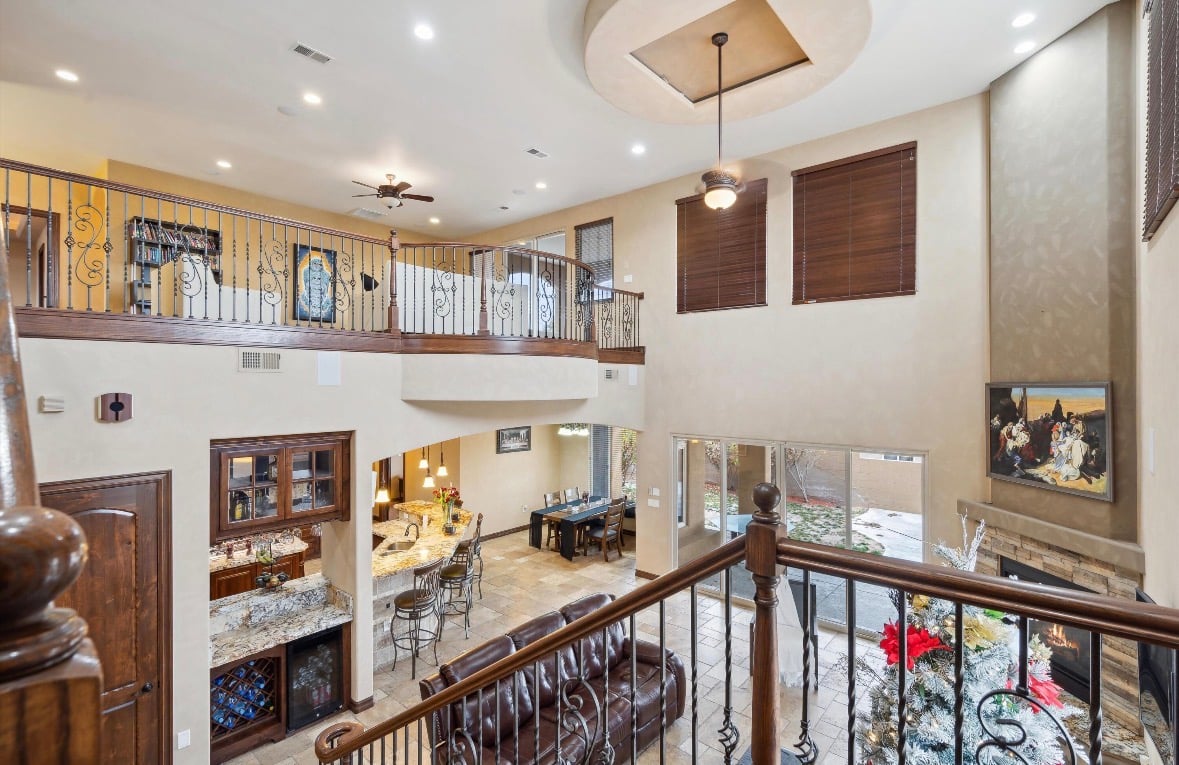
You’ll find historic and former commercial buildings converted into residential lofts. Expect taller ceilings, exposed brick or structure, and open layouts that feel unique. Because old shells were retrofitted with modern systems, maintenance can be more idiosyncratic than in newer buildings. If you like character and volume, put these on your list and plan to review building maintenance history closely. For general context about the downtown area where many conversions appear, see Downtown Albuquerque’s overview.
Purpose-built mid-rise condos
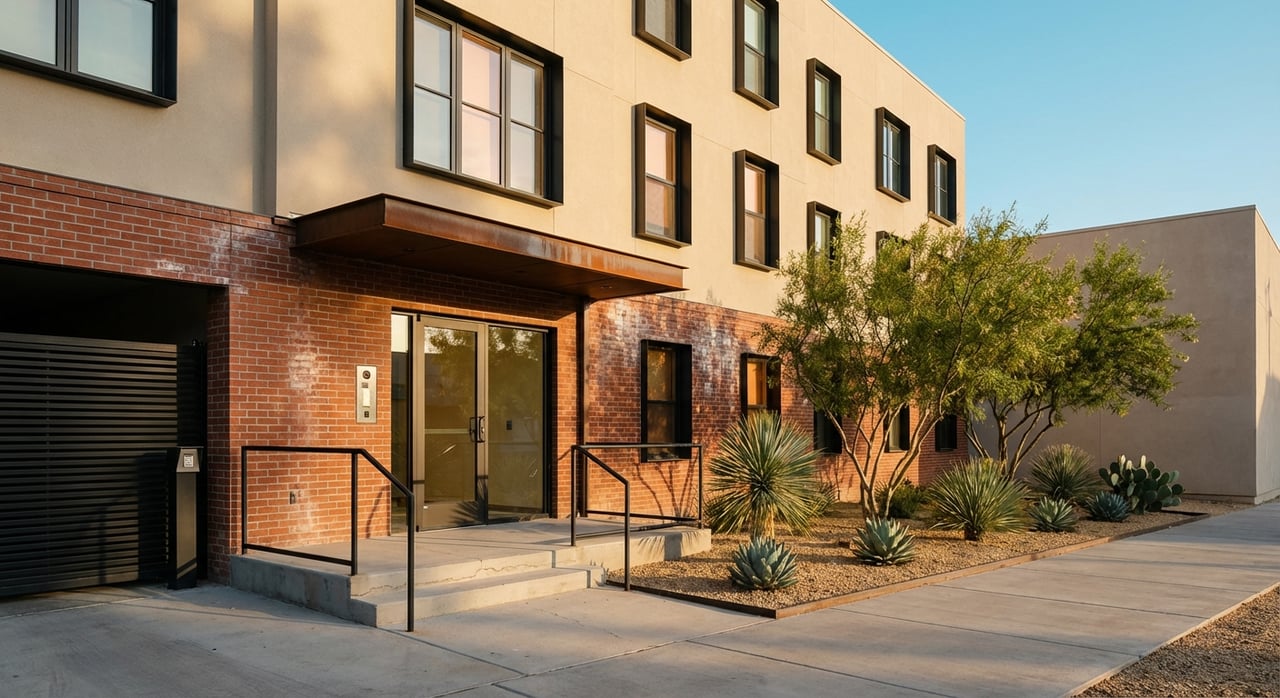
Modern mid-rises and mixed-use buildings often include elevators, structured parking, and a more formal HOA. Ground-floor retail with residences above is common, which adds convenience but also introduces shared-use rules you’ll want to understand. Many buyers appreciate the predictability of newer systems and the professional management that often comes with these projects.
Boutique buildings and live/work spaces
Smaller associations can be charming and low-density, but they require a closer look at reserves and insurance. Some parcels mix commercial and residential use, so review how expenses, access, and liabilities are allocated between uses. If you plan to run a business from home, confirm live/work allowances in the CC&Rs and any city requirements.
Financing and HOA basics you must know
Project eligibility affects your mortgage
Condo financing is about more than your personal preapproval. Lenders and agencies like Fannie Mae evaluate the entire project for reserves, commercial space ratios, insurance, delinquencies, and litigation. Before you assume conventional options will work, confirm whether the building meets Fannie Mae’s criteria or ask your lender to run the project through Condo Project Manager. If you plan to use FHA, eligibility is separate. Review FHA’s requirements and the process for single-unit approvals in this overview of FHA condo approval basics.
Must-have documents before you commit
Gather these items early. Lenders commonly require them, and they tell you how the building really operates:
- Recorded declaration/CC&Rs, bylaws, and articles of incorporation.
- Current operating budget and the most recent audited financial statement or bank statement.
- Most recent reserve study, or meeting minutes that show reserve funding decisions.
- Board meeting minutes for the last 12–24 months and the current operating budget.
- Master insurance declarations, including coverage limits, deductibles, and fidelity coverage details.
- Any notices of pending assessments, recent repair invoices, major repair contracts, and litigation documents.
- Written rules for rentals and short-term rentals, plus any city permits if applicable.
Insurance details to verify
Ask what the HOA master policy covers and what you must insure with an HO-6 policy. Confirm hazard and liability coverage, whether the policy is all-risk or named perils, and the deductible amount. Lenders look closely at master policy adequacy and reserves during project review, so cross-check coverage against guidance in Fannie Mae’s full review process. Also check fidelity or crime coverage. It is often required when associations handle significant funds, and common gaps—like not listing the management company—can block financing. Here is a practical explainer on fidelity bond coverage rules and pitfalls.
Short-term rental rules have two layers
If you hope to do short-term rentals, confirm both city and HOA rules. Albuquerque has actively discussed adjustments to its STR framework through the Housing Forward initiative. For updates and permitting information, review the city’s page on short-term rentals. Then check your HOA’s CC&Rs, which may further restrict or ban STRs even if city policy allows them.
Everyday living: parking, noise, amenities
Parking patterns to confirm
Downtown buildings range from deeded garage stalls to assigned surface spots or reliance on nearby public or metered parking. A deeded space is a premium and can help both daily convenience and resale. If parking matters to you, verify whether a stall is deeded to the unit, whether guest spaces exist, and how overnight restrictions work. For big-picture context on the downtown mobility hub and public options, see the Alvarado Transportation Center overview. If you need EV charging, ask specifically about on-site chargers and nearby public stations.
Noise and activity: what to expect
Living near Civic Plaza, theaters, and the Central Ave corridor brings energy, but also occasional street noise and event traffic. Window quality, unit orientation, and floor level can make a noticeable difference in comfort. Plan to visit at multiple times—weekday daytime, evening, and weekend nights—to get a fair read. As an example of nearby cultural venues that draw visitors, take a look at the historic KiMo Theatre.
Amenities and walkability
Downtown shines for easy access to restaurants, arts, and transit. Short commutes to medical centers and major employers are a frequent lifestyle win. If you prefer to step out your front door for daily errands and entertainment, this part of Albuquerque aligns well with that rhythm.
Pros and cons snapshot
Pros
- Walkability and access to dining, arts, and transit near the ATC and core downtown.
- Lower personal maintenance since the HOA handles exterior elements.
- Distinctive character in loft conversions with tall ceilings and exposed finishes.
- Potential demand from longer-term renters, subject to HOA rules and city policy.
Cons
- Noise and event traffic near Civic Plaza, theaters, and Central Ave corridors.
- Limited or paid parking if a unit lacks deeded or assigned spaces.
- HOA assessments and special assessments can occur, and project eligibility can impact financing and resale.
- STR rules may change and HOAs can restrict them even if the city allows.
Your tour checklist
Ask these questions on-site and request documents in writing. Do not rely on verbal answers alone.
- Is parking deeded or assigned to this unit, and where is guest parking? Ask to see the deed or the declaration exhibit that shows the stall location. For area context on public options, review the ATC and downtown parking overview.
- What is the current reserve balance, and when was the last reserve study? Request the HOA’s current budget, a bank statement, and the latest reserve study. Low reserves are a red flag under Fannie Mae’s full review process.
- Is there any pending litigation involving the HOA or developer? If yes, get details and a written opinion on exposure. Litigation tied to safety or habitability is especially serious.
- What does the master insurance policy cover, what is the deductible, and does fidelity coverage include the management company? Ask for the declarations page and endorsements; see the fidelity coverage primer.
- Are rentals or STRs limited by the CC&Rs, and does the building have any city STR permits? Check current city guidance on short-term rentals.
- For conventional loans, has a lender confirmed the building meets Fannie Mae criteria or appears in Condo Project Manager? If using FHA, ask whether the project is FHA-approved or if a single-unit approval is feasible.
- Who pays utilities, and are units individually metered? Master-metered buildings may allocate costs through the HOA.
- How are maintenance contracts handled for roofing, elevators, and HVAC, and what is the replacement plan? Ask to see recent service logs.
- Have you visited at multiple times to assess noise, parking flow, and street activity? Plan at least three visits before you finalize terms.
Red flags to watch
- No reserve study and minimal reserves, or a pattern of large special assessments.
- Active litigation tied to structural integrity or habitability.
- Gaps in insurance coverage, high deductibles without clear plans, or missing fidelity coverage where funds are handled by third parties.
- Hotel-like operations, mandatory rental pools, or other traits that can make a project ineligible under agency rules noted in Fannie Mae’s guidance on ineligible projects.
- No deeded parking when a secure stall is important to you.
Where to verify building-level facts
- Fannie Mae Condo Project Manager and selling guide. Ask your lender to run the project or check Condo Project Manager for eligibility cues.
- FHA/HUD condo approval status. Review FHA condo approval basics and ask the HOA or lender for the project’s status.
- City of Albuquerque STR rules. Use the city page for current short-term rentals policy and permits.
- Property taxes and notices of value. Bernalillo County updates can affect carrying costs; see local reporting on Notices of Value timing and confirm details with the county.
- Regional market context. GAAR’s annual market statistics provide the big picture as you evaluate timing.
How Ultra Real Estate helps you buy smarter
Downtown condos and lofts require both lifestyle insight and technical scrutiny. You deserve an advocate who can read HOA budgets, spot insurance gaps, and flag maintenance risks before they cost you. With a construction-informed approach and a concierge mindset, you get clear advice on building systems, reserve health, and financing paths that fit your goals. Ready to explore units that match your lifestyle and budget with confidence? Connect with Ultra Real Estate to schedule a free consultation.
FAQs
What should I check first when financing a downtown Albuquerque condo?
- Confirm the building’s project eligibility with your lender and ask them to review it through Fannie Mae’s Condo Project Manager. If you need FHA, ask about the project’s FHA status or a single-unit approval path.
How do HOA reserves and special assessments affect my purchase?
- Strong reserves lower the risk of sudden special assessments and can support financing eligibility. Request the latest reserve study, budget, and bank statement to gauge financial health.
Is deeded parking essential for resale value downtown?
- A deeded stall is a premium that helps daily convenience and future marketability. If parking matters to you or likely future buyers, prioritize units with a deeded or clearly assigned space.
Can I run an Airbnb in a downtown condo or loft?
- Maybe. You must clear two hurdles: the City of Albuquerque’s short-term rental rules and your HOA’s CC&Rs. Many associations restrict STRs even if the city permits them.
What insurance do I need for a condo purchase?
- The HOA’s master policy typically covers the building and common areas. You’ll usually need an HO-6 policy for interior improvements, personal property, and liability. Verify deductibles and coverage details in the master policy.
How can I judge noise levels before I buy downtown?
- Visit at several times—weekday daytime, evening, and weekend nights—and stand in the unit with windows closed and open. Ask about window upgrades, unit orientation, and floor level to manage sound.