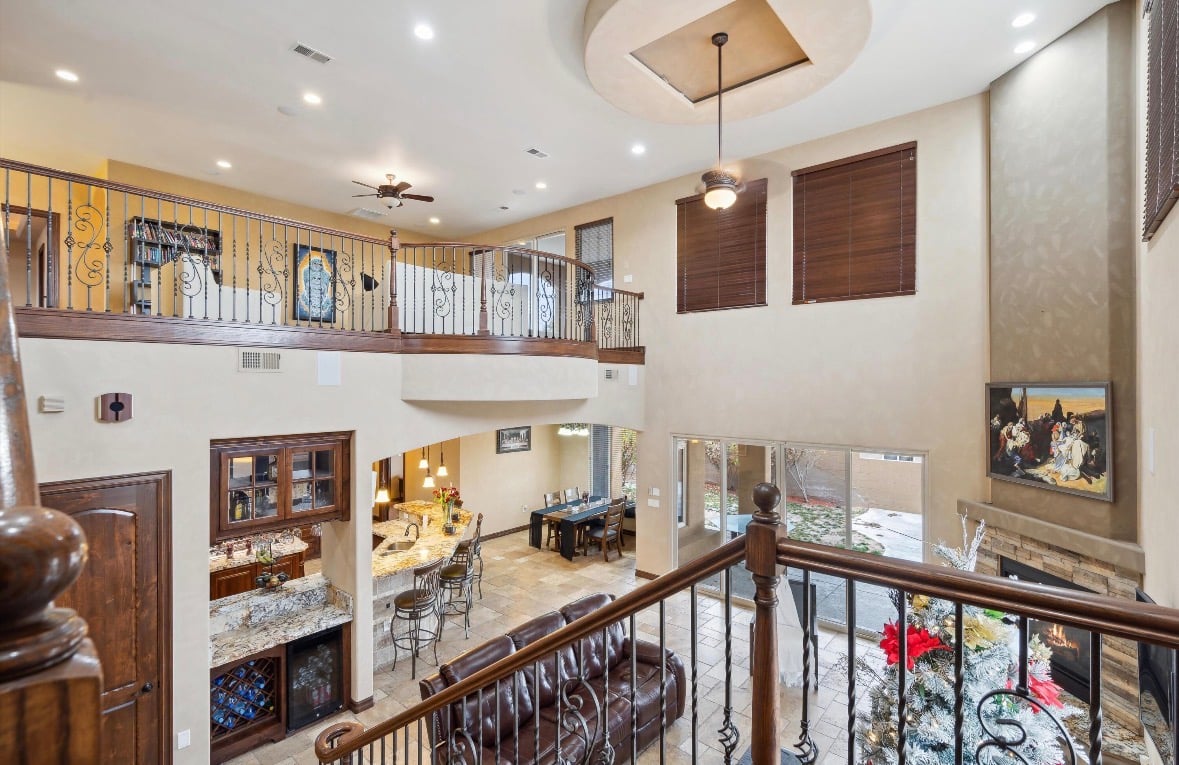
Dreaming about room to spread out in Corrales? Before you fall for the views, trees, or barn potential, it helps to know that buying acreage here is often more about infrastructure than interior finishes. If you understand how water, septic, access, drainage, and fire readiness work in Corrales, you can make a smarter decision and avoid expensive surprises. Let’s dive in.
Why Corrales acreage is different
Corrales is intentionally rural, and that shapes how acreage properties function. Village planning materials describe a long-standing goal of maintaining a rural agricultural atmosphere, and the area still includes active agriculture, ditches, and conservation easements.
That rural character is a big part of the appeal, but it also means you should not expect city-style utilities. In Corrales, the major questions are often about what supports the land itself, not just what the house looks like on the surface.
Water comes first in Corrales
One of the most important facts for acreage buyers is that Corrales does not have a municipal water system. Homes and businesses generally rely on domestic or commercial wells, and the Village says there is no sewer system except for a small STEP-served stretch along Corrales Road.
The Village also says local ordinance limits density to one dwelling unit per acre to help protect drinking water from septic contamination. For you as a buyer, that means land use, water supply, and wastewater planning are closely connected from the start.
Domestic well access matters
If a property depends on a well, you will want to verify exactly what exists and what is permitted. The Village points buyers to the Office of the State Engineer, and New Mexico’s domestic well statute allows household use and up to one acre of noncommercial lawn or garden irrigation under permit.
That may be enough for some buyers, but not for every acreage dream. If you are planning orchards, pasture irrigation, or more intensive land use, you need to confirm whether the property includes something beyond domestic well access.
Irrigation rights are a separate question
In Corrales, many properties have ditch access for irrigation, but that does not mean irrigation rights automatically transfer with the deed. The Village notes that New Mexico water law is complex, physical water is publicly owned, prior appropriation controls priority, and irrigation rights may or may not transfer.
The Village also warns that rights can be lost after extended non-use. So when you look at an acreage property, ask whether the parcel comes with active irrigation rights and a usable turnout, or if it only has domestic well access.
Water availability can change year to year
This issue is not just paperwork. In 2026, MRGCD said Corrales-area irrigation deliveries were suspended on April 21 because river levels fell below pumping thresholds, and the district said deliveries can be rotational or suspended depending on river conditions.
The Village’s 2026 irrigation update also says the start of the season can vary based on water availability, soil moisture, Pueblo and irrigator needs, and the Rio Grande Compact. In practical terms, even if a property has irrigation history, you still need to understand current conditions and limits.
Septic can shape your budget
Because most Corrales properties are not connected to a conventional sewer system, on-site liquid waste systems are common. That makes septic one of the most important systems to evaluate before you buy.
According to NMED, properties with onsite liquid waste systems must be evaluated at transfer. If a homeowner wants to install or modify a conventional system, the property must qualify, be permitted, and complete required inspections.
Why septic due diligence matters
A septic system may be out of sight, but it should never be out of mind. Repair or replacement costs can affect the true cost of ownership far more than cosmetic updates.
When you are under contract, ask for a recent transfer evaluation and a clear permit file. A construction-literate agent can help you focus on these practical issues early, before small questions turn into large expenses.
Drainage and stormwater are part of ownership
Corrales says it has no storm sewers, which means property owners handle runoff from roofs and other impervious surfaces on-site. On acreage, that can have a real impact on how the land performs during monsoon season and heavy storms.
Some projects may also require an engineer-prepared grading and drainage plan before a permit is issued. If you are considering future additions, outbuildings, or site changes, drainage planning may become part of your long-term ownership costs.
Flood and ponding deserve a closer look
The Village participates in FEMA’s flood insurance program and can provide flood-zone certification. That is useful information to gather if a parcel includes low areas, arroyos, retention zones, or signs of past ponding.
For many acreage buyers, the hidden costs are tied to the site itself. Drainage improvements, pump systems, flood-related work, and grading can all change how affordable a property feels after closing.
Access and utilities should be verified by parcel
Never assume an acreage home has straightforward access just because there is a visible driveway. Corrales Planning and Zoning has an Access/Driveway Permit process, which is a reminder to confirm legal access, driveway layout, and whether any improvements need Village review.
This matters even more if the parcel is tucked away, shared by easement, or served by a private drive. Clear access is part of day-to-day use, but it also affects future improvements, deliveries, and resale appeal.
Utility service is not one-size-fits-all
Because Corrales does not have a Village-run water system, buyers should not expect bundled city utilities. Service should be confirmed by address and by parcel.
That step is especially important for relocation buyers or anyone comparing Corrales to more suburban areas nearby. The utility picture may be very different from what you are used to.
Wildfire readiness is part of acreage living
Owning more land can be a wonderful lifestyle choice, but it also comes with added responsibility. The Corrales Fire Department recommends defensible space from the 5-foot zone out to 100 to 200 feet, plus evacuation planning for family and animals.
Sandoval County’s SCAN system now sends emergency notices by text, phone, and email. If you are buying acreage, wildfire planning should be part of your decision before closing, not something you think about later.
Look beyond the house itself
When buyers tour a property, it is easy to focus on the home’s layout, finishes, and views. In Corrales, you should also pay attention to vegetation around structures, driveway clearance, water access, and how easily people and animals could evacuate if needed.
These are not side issues. They are part of how the property functions in the real world.
Smart questions to ask before you offer
If you are serious about buying an acreage home in Corrales, these are some of the most useful questions to ask early:
- Does the property include domestic well rights, irrigation rights, or both?
- Are any irrigation rights active, and is there a usable turnout?
- Is there a current well permit and any recent water-quality information?
- Are there driller or pump records available?
- If the home uses septic, is there a recent NMED transfer evaluation?
- Is there a clear permit history for the septic system?
- Is legal access recorded, and does the driveway need Village approval?
- Are there conservation easements or other land-use restrictions?
- Does the site show drainage, ponding, or flood-related concerns?
- Is the property set up for defensible space and evacuation planning?
Why local, construction-aware guidance helps
In Corrales, the biggest risks are often tied to water, wastewater, access, and site conditions rather than paint colors or staging. That is why practical property knowledge matters so much in this market.
Ultra Real Estate’s brand is built around local expertise, hands-on service, and construction literacy. For acreage buyers, that kind of guidance can help you ask better questions, evaluate the property more clearly, and move forward with confidence.
If you are considering buying an acreage home in Corrales, Ultra Real Estate can help you navigate the details that matter most and schedule a free consultation.
FAQs
What should I verify first when buying acreage in Corrales?
- Start with water. Confirm whether the property has a domestic well, irrigation rights, or both, and verify what is active and transferable.
Do Corrales homes usually have city water and sewer?
- No. The Village says Corrales has no municipal water system, and there is no sewer system except for a small STEP-served stretch along Corrales Road.
Can irrigation rights transfer with a Corrales property sale?
- Sometimes, but not always. The Village says irrigation water rights may or may not transfer with a deed, and rights can be affected by non-use.
Why is septic inspection important for Corrales acreage homes?
- Because most properties rely on on-site liquid waste systems, and NMED says these systems must be evaluated at transfer.
Does drainage matter when buying land in Corrales?
- Yes. Corrales says there are no storm sewers, so owners handle runoff on-site, which can affect costs, permitting, and future improvements.
What access issue should buyers check on Corrales acreage parcels?
- Confirm legal access, driveway layout, and whether any access or driveway improvements may require Village review or permitting.
Are wildfire concerns part of buying an acreage home in Corrales?
- Yes. The Corrales Fire Department recommends defensible space, evacuation planning for people and animals, and use of emergency alert systems.
Can land-use restrictions affect a Corrales acreage purchase?
- Yes. Buyers should ask whether conservation easements or other restrictions limit additions, barns, or future development.