Thinking about buying an older home in North Valley? It can be an exciting move, but it also comes with a different set of renovation questions than you might face in other parts of Albuquerque. Between adobe construction, mid-century systems, mature trees, acequias, and summer monsoon runoff, the right updates start with understanding how these homes and lots actually function. This guide will help you focus on the repairs and upgrades that matter most so you can plan with more confidence. Let’s dive in.
Why North Valley renovations are different
North Valley has a distinct setting that shapes how older homes age and how renovations should be planned. The City of Albuquerque’s North Valley planning materials describe a broad area with rural character, mature trees, agricultural fields, acequias, and long, narrow lots tied to traditional land use. You can explore that context in the North Valley Area Plan.
For you as a buyer, that means the house is only part of the story. Site drainage, irrigation patterns, tree roots, and lot layout can all affect long-term maintenance and renovation costs.
Weather is another key factor. According to the National Weather Service’s Albuquerque monsoon information, monsoon season runs from June 15 through September 30, and a large share of local rainfall arrives during that period. Even in a dry climate, concentrated summer runoff can put real stress on roofs, grading, and foundations.
Inspect water and structure first
If you are buying an older home in North Valley, start with the issues that can become the most expensive if ignored. In most cases, that means looking closely at water management and structural condition before thinking about finishes or design updates.
A practical order is simple:
- Control water and drainage risks
- Address structural concerns
- Handle health and safety issues
- Improve energy performance
- Save cosmetic upgrades for last
That sequence lines up with preservation guidance for older buildings, especially adobe homes, where moisture is often the main threat.
What to check on the lot
Before you even get to cabinets or flooring, look at how the property handles water. In North Valley, older lots may have grading issues, irrigation-related moisture, and landscaping that has changed over time.
Pay close attention to:
- Low spots near the foundation
- Roof runoff that drains toward the house
- Standing water after storms or irrigation
- Large trees planted close to exterior walls
- Root activity near foundations, walkways, or utility lines
- Signs that drainage paths have been blocked or altered
These details matter because moving water away from the house is one of the best ways to protect an older structure.
Renovation tips for adobe homes
Adobe homes can be beautiful and durable, but they need the right kind of maintenance. The National Park Service explains in its Preservation Brief on adobe that moisture is the central risk.
That makes your inspection period especially important. You want to understand not only what is damaged, but also why it happened.
Watch for common adobe warning signs
According to the National Park Service, some of the main warning signs in adobe homes include:
- Cracks in walls, foundations, or roofs
- Sagging or bulging walls
- “Coving” near the base of walls
- Roof or drainage problems that allow water intrusion
- Shrubs or trees too close to walls
- Evidence of termites affecting wood components
If you see these issues, do not assume they are cosmetic. In adobe construction, small signs can point to moisture movement or incompatible past repairs.
Use compatible repair materials
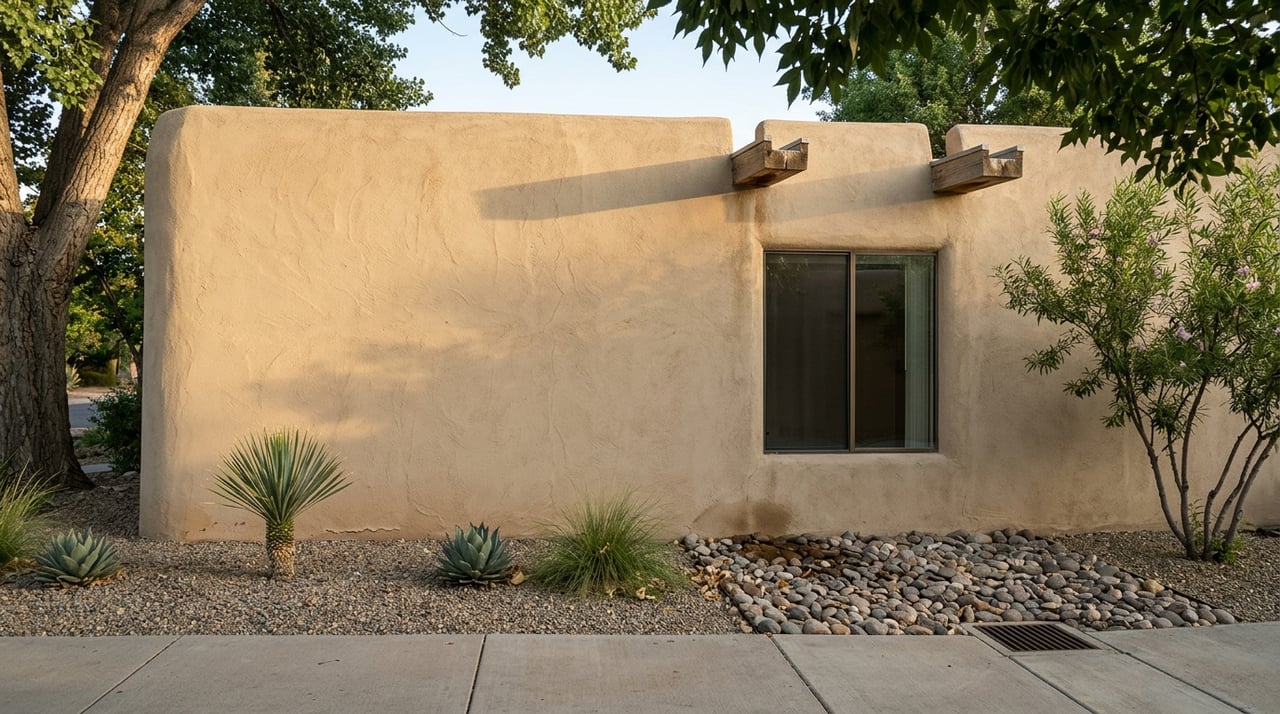
One of the biggest mistakes in older adobe homes is using materials that are too hard or that trap moisture. The National Park Service specifically warns that cement stucco and cement patches can worsen deterioration because they can hold moisture in the wall rather than letting it move naturally.
If you are budgeting for repairs, ask detailed questions about prior patching, stucco work, and roof-edge conditions. A lower purchase price does not always mean a better deal if past work created larger preservation issues.
Keep water away from the foundation
For adobe homes, a watertight roof and proper drainage are not optional. NPS guidance notes that the best protection starts at the top with a roof that sheds water effectively, then continues at the ground with grading or drainage improvements that move water away from the foundation.
If you are deciding where to spend first, this is usually the place to start. Protecting the envelope can help preserve both the structure and the home’s original character.
What to inspect in mid-century homes
Not every older North Valley home is adobe. Many buyers are also drawn to mid-century homes, which can offer great layouts, large lots, and strong renovation potential.
Your first step should still be a standard home inspection. HUD explains in its home inspection checklist that an inspection helps inform your decision before you make a financial commitment, and it is different from an appraisal.
Focus on aging systems
In mid-century homes, the most important issues are often hidden behind walls, above ceilings, or under the house. HUD highlights several systems that deserve close review in older properties.
Make sure your inspection covers:
- Roof and gutters
- Heating systems
- Plumbing systems
- Ventilation and cooling
- Insulation
- Overall condition of major components
If a home has been updated over time, it is smart to find out which work was cosmetic and which improvements actually addressed the core systems.
Plan for health and safety testing
Older homes often need more than a general inspection. Depending on the home’s age and condition, you may need additional testing to understand possible health and safety concerns.
The EPA says homes built before 1978 may contain lead-based paint, and buyers of most pre-1978 homes have the right to know whether lead hazards are present before signing a contract. You can review that guidance through the EPA’s lead-based paint resource.
HUD also recommends asking whether more testing is appropriate for issues such as:
- Mold
- Asbestos
- Air quality
- Water quality
- Urea formaldehyde insulation
- Pest infestations
These follow-up tests can help you budget more accurately and avoid surprises after closing.
Choose renovations that support value
Once you have handled water, structure, and safety, you can think more strategically about upgrades that improve daily use and resale appeal. Not every project delivers the same return, so it helps to prioritize changes that buyers consistently notice.
The National Association of REALTORS® reports in its 2025 Remodeling Impact Report that homeowners often remodel to update worn finishes, improve energy efficiency, and prepare a home for sale. REALTORS® most often recommend painting and roof replacement before listing, while buyer demand has been strongest for kitchen upgrades, new roofing, and bathroom renovations.
High-performing projects to consider
The 2025 Mountain-region Cost vs. Value report points to several projects with strong average cost recovery, including garage-door replacement, steel entry-door replacement, manufactured stone veneer, minor kitchen remodels, and some siding replacements.
That does not mean every older North Valley home needs those exact upgrades. It does mean that projects tied to curb appeal, function, and buyer confidence tend to stand out more than purely trendy changes.
Here is a simple way to think about renovation priorities:
| Priority | Why it matters |
|---|---|
| Roof and drainage | Helps protect the home from moisture and runoff |
| Entry improvements | Supports curb appeal and security |
| Minor kitchen updates | Improves function without overbuilding |
| Bathroom refreshes | Helps modernize daily living spaces |
| Paint and finish updates | Makes the home feel cleaner and more move-in ready |
Improve efficiency without losing character
If you are buying an older adobe or historically styled home, you may worry that efficiency upgrades will erase what makes the property special. Fortunately, the National Park Service notes that historic properties can become more sustainable while still preserving character.
Its guidance on energy efficiency in historic buildings recommends practical steps such as energy audits, air sealing, weather-stripping, window and door improvements, efficient HVAC systems, insulation in appropriate areas, ENERGY STAR appliances, and shading devices.
For many North Valley buyers, that means you do not have to choose between charm and performance. The goal is to improve comfort and operating costs in ways that respect the home’s original materials and design.
Budget for permits and city review
Renovation budgets often go over not because buyers forget the tile or lighting, but because they overlook permits, inspections, and specialty reports. In Albuquerque, the Building Safety Division handles permits and inspections for residential additions and remodel work.
The city also offers express permits for some residential re-roofs without truss repairs, roof-mounted solar up to 50 kW, and small repair or minor alteration work such as window or door replacements. If your project is more extensive, budget extra time and money for plan review, inspections, and possible engineering or roof evaluation.
Check for historic property opportunities
If the home is historic or contributes to a historic district, you may want to review whether rehabilitation incentives could apply. New Mexico’s preservation tax credit program may help offset qualified rehabilitation costs for eligible properties.
That will not apply to every purchase, but for the right property it can become an important part of your renovation budget strategy.
Do not overlook landscaping costs
In North Valley, landscaping is not just about appearance. Mature trees, irrigation patterns, and lot drainage can directly affect maintenance and renovation planning.
You may need to budget for tree work, water-saving updates, or better stormwater management. The Albuquerque Bernalillo County Water Utility Authority currently offers conservation rebates for xeriscape, tree maintenance, and rain barrels or cisterns, which can be useful if you are updating an older property’s outdoor systems.
A smart renovation plan for North Valley buyers
If you are buying an older home in North Valley, the best renovation plan usually starts with restraint. It is easy to focus on finishes, but the smarter move is to understand the house, the lot, and the way water moves through the property before making design decisions.
That is especially true in a place with adobe homes, mid-century construction, mature trees, acequias, and monsoon-season runoff. When you prioritize the building envelope, drainage, safety, and efficient systems first, you give yourself a much stronger foundation for the upgrades you actually want.
If you want guidance on buying an older home in North Valley, help evaluating renovation potential, or a trusted local perspective during inspections, connect with Ultra Real Estate. You will get local insight, practical construction-minded guidance, and hands-on support from search to closing and beyond.
FAQs
What should you inspect first when buying an older home in North Valley?
- Start with water management, roof condition, grading, drainage, and structural issues before focusing on cosmetic updates.
What renovation issues matter most in North Valley adobe homes?
- Moisture control is the biggest priority, including roof drainage, foundation runoff, compatible repair materials, and plantings too close to exterior walls.
What should you check in a North Valley mid-century home?
- Focus on core systems such as the roof, gutters, heating, plumbing, cooling, ventilation, and insulation during the inspection period.
Do older North Valley homes need lead-based paint testing?
- Homes built before 1978 may contain lead-based paint, so you should review available disclosures and decide whether additional testing is appropriate.
Which renovations add the most value to an older North Valley home?
- Projects tied to protection, function, and curb appeal often stand out most, including roofing, entry improvements, minor kitchen updates, bathroom improvements, and painting.
Do you need permits for renovations in North Valley, Albuquerque?
- Many remodels, additions, and repair projects require city permits or inspections, so check with Albuquerque’s Building Safety Division before starting work.
Can landscaping changes help lower maintenance at an older North Valley home?
- Yes, updates such as xeriscape conversions, tree maintenance, and rainwater management can support site performance and may qualify for local rebates.