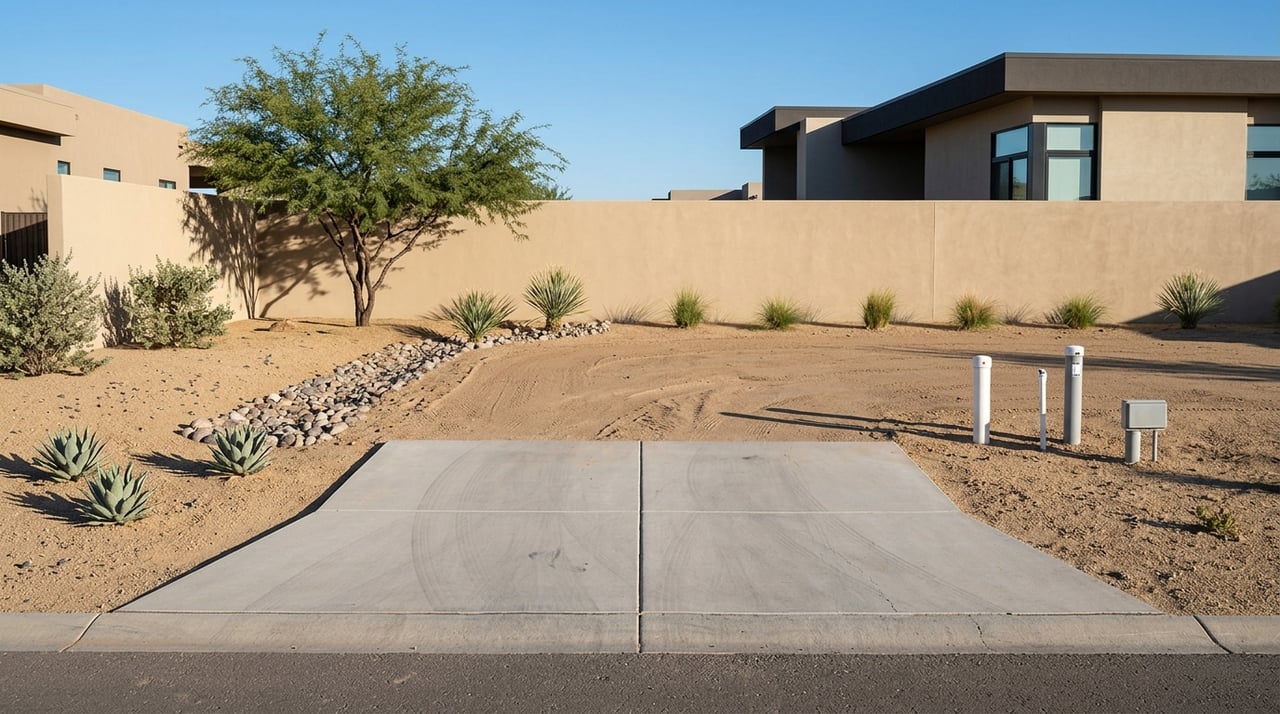
Buying a lot or a tear-down in North Albuquerque Acres can look simple at first glance. You see views, space, and the chance to build something that fits your goals. But this area is not one-size-fits-all, and two nearby parcels can come with very different rules, utility needs, and approval paths. If you want to buy with confidence, it helps to know what to verify before you make an offer. Let’s dive in.
Why parcel-level research matters
In North Albuquerque Acres, the subdivision name alone does not tell you what you can build. The better question is which jurisdiction controls the parcel and what planning layer applies to it.
The City of Albuquerque treats older area and sector development plans as historical documents, but their regulations were folded into the Integrated Development Ordinance in 2017. The ABC Comprehensive Plan is the top-ranked policy document for the city and county area, and the city’s official IDO maps are the right place to confirm which standards apply to a specific parcel.
Start with jurisdiction and zoning
Some parcels in this area fall under City of Albuquerque rules, while others may be shaped by Bernalillo County zoning and mapping. That matters because the process, map tools, and approval steps can differ depending on where the property sits.
The La Cueva Sector Development Plan covers 656 acres in the North Albuquerque Acres portion of the North Albuquerque community. It applies design regulations to SU-2 properties in that plan area. Bernalillo County records also note that sector-plan parcels may be labeled SU-2 for city or SD for county, which is why you want to verify the exact parcel instead of relying on the neighborhood name.
County base zoning can include A-1, A-2, R-1, R-2, and other commercial or industrial districts. The North Albuquerque Acres sector plan also includes subcategories such as SD-HC, SD-RO, SD-LC-1, SD-LC-2, SD-MDR-1, and SD-MDR-2. In real terms, that means two side-by-side parcels may have different development rights.
Do not rely on MLS remarks
If you are considering vacant land or a tear-down, use official map tools or a zoning certificate to verify what you are buying. City map tools and zone atlas pages can help identify the parcel’s status, while Bernalillo County says its zone maps are for reference only and that individual-property zoning should be obtained through Planning and Development Services.
That is an important distinction for buyers. Marketing remarks may describe a lot as buildable, but buildability depends on the actual zoning, plan overlays, and site conditions tied to that parcel.
SU-2 parcels may need extra approvals
For some North Albuquerque Acres parcels in the La Cueva area, redevelopment can trigger a site development plan for building permit. In the city example from the planning record, staff said a site development plan and landscaping plan were required for all SU-2 zoned properties in the plan area.
That does not mean every lot follows the same path. It does mean you should check early whether your parcel has SU-2 zoning or another overlay that adds review steps before construction can begin.
Utilities can change the whole deal
A lot may look ready on the surface, but utility availability can affect cost, timing, and even whether your project pencils out. The Albuquerque Bernalillo County Water Utility Authority provides water and wastewater services to the greater metro area, and it requires a Water and Sanitary Sewer Availability Statement dated within the past 12 months for proposed development, subdivision plats, site plans, or anyone contemplating service in Bernalillo County.
That availability statement can tell you whether the needed infrastructure is public or private and whether it is on-site or off-site. It can also flag timing constraints or annexation requirements. In some cases, line extensions are required across the full frontage unless nearby parcels have another way to be served.
For new development, sanitary sewer service is required with water service. The utility intake process also calls for details about current water and sewer conditions, including whether a property uses septic now.
Why access and easements matter
Utility service is only one piece of the puzzle. You also want to confirm how the parcel is accessed and whether there are utility or access easements that affect where you can build.
Bernalillo County maintains easement data for utility and access easements, which is a strong reminder to review title and survey information early. A beautiful homesite can become much less flexible if easements cut through the area where you planned to place the house, driveway, or improvements.
Floodplain and drainage checks are essential
Site risk is not just about slope or views. The City of Albuquerque requires a Floodplain Development Permit for earthmoving, grading, paving, storm-drain work, building additions, and new construction in a Special Flood Hazard Area. The same applies to new buildings within the prudent line of unlined arroyos.
That makes drainage and floodplain review a key part of land due diligence. Before you close, you want to understand whether the parcel has any flood-related constraints that could affect design, cost, or approval timelines.
Views and design can affect review
North Albuquerque Acres is known for open space and mountain views, and the city’s La Cueva planning record specifically notes that views and open space are valuable assets in the North Albuquerque community. For buyers, that is a practical clue, not just a nice description.
Lot orientation, roofline, and height may matter when a project is reviewed. If you are buying for a custom build, it is smart to think beyond the footprint and ask how the site design may fit the parcel’s planning context.
Tear-downs need more planning than you think
If you are buying an older home with plans to remove it, do not treat demolition as a quick line item. Inside the City of Albuquerque, demolition requires a permit, and the current process includes a paper demolition application plus approvals related to air quality, fugitive dust, and asbestos before the online application is completed.
That extra process can affect your schedule and pre-construction costs. A tear-down can still be a strong opportunity, but it usually needs more coordination than a simple contractor estimate suggests.
Building timelines should shape your offer
For city parcels, building permits and inspections are required for new construction, additions, and remodeling work. The city also says HOA approval should be obtained before applying if the subdivision has an HOA.
Residential plan review typically takes about two and a half weeks, and permits are issued only after the required divisions approve the plans. If your project has lot constraints or your closing timeline is tight, early builder involvement can help you spot issues before they become expensive surprises.
A practical due diligence workflow
When you are evaluating land or a tear-down in North Albuquerque Acres, order matters. A practical path is to verify the parcel before you fall in love with the concept.
Here is a smart workflow to follow during your evaluation period:
- Confirm whether the parcel is in the City of Albuquerque or unincorporated Bernalillo County.
- Verify zoning and any plan layer or overlay using the official map tools or direct zoning confirmation.
- Check whether the parcel may require a site development plan, landscaping plan, or other review.
- Request or review water and sanitary sewer availability information.
- Review access, title, survey, and easement information.
- Check floodplain, arroyo, grading, and drainage constraints.
- If it is a tear-down, review the demolition permit path and likely pre-demo requirements.
- Bring in your builder early to price scope, contingencies, and timing based on the actual parcel facts.
This step-by-step approach helps you make decisions based on the property itself, not assumptions.
How local guidance helps you buy smarter
This is where local, hands-on guidance matters. In a place like North Albuquerque Acres, you are not just buying square footage or a lot line. You are buying into a specific set of development rules, utility realities, and site conditions that can shape your budget and timeline.
A buyer who understands construction and parcel-level research can help you ask better questions early. That is especially valuable when you are comparing vacant land, evaluating a tear-down, or trying to decide whether a property’s upside is worth the approval work ahead.
If you are considering land or a tear-down in North Albuquerque Acres, a clear due diligence plan can save you time, money, and stress. When you want a local point of contact who understands both the neighborhood and the practical side of building decisions, connect with Ultra Real Estate to schedule a free consultation.
FAQs
What should you verify before buying land in North Albuquerque Acres?
- You should confirm jurisdiction, zoning, plan overlays, utility availability, access easements, floodplain or arroyo constraints, and whether extra approvals like a site development plan are required.
Can you assume a vacant lot in North Albuquerque Acres is buildable?
- No. Buildability depends on the parcel’s zoning, any sector-plan overlay, utilities, access, drainage or floodplain status, and any required city or county approvals.
Do North Albuquerque Acres tear-downs need demolition permits?
- Yes, if the property is inside the City of Albuquerque, demolition requires a permit and may involve air-quality, fugitive-dust, and asbestos-related approvals.
How do you check utilities for a North Albuquerque Acres lot?
- For development or contemplated service, the Albuquerque Bernalillo County Water Utility Authority requires a current Water and Sanitary Sewer Availability Statement, which helps confirm service conditions and infrastructure needs.
Why does zoning vary within North Albuquerque Acres?
- Parcels can fall under different city or county rules, and some properties are affected by sector-plan designations such as SU-2 or SD categories, so neighboring lots may not have the same development rights.