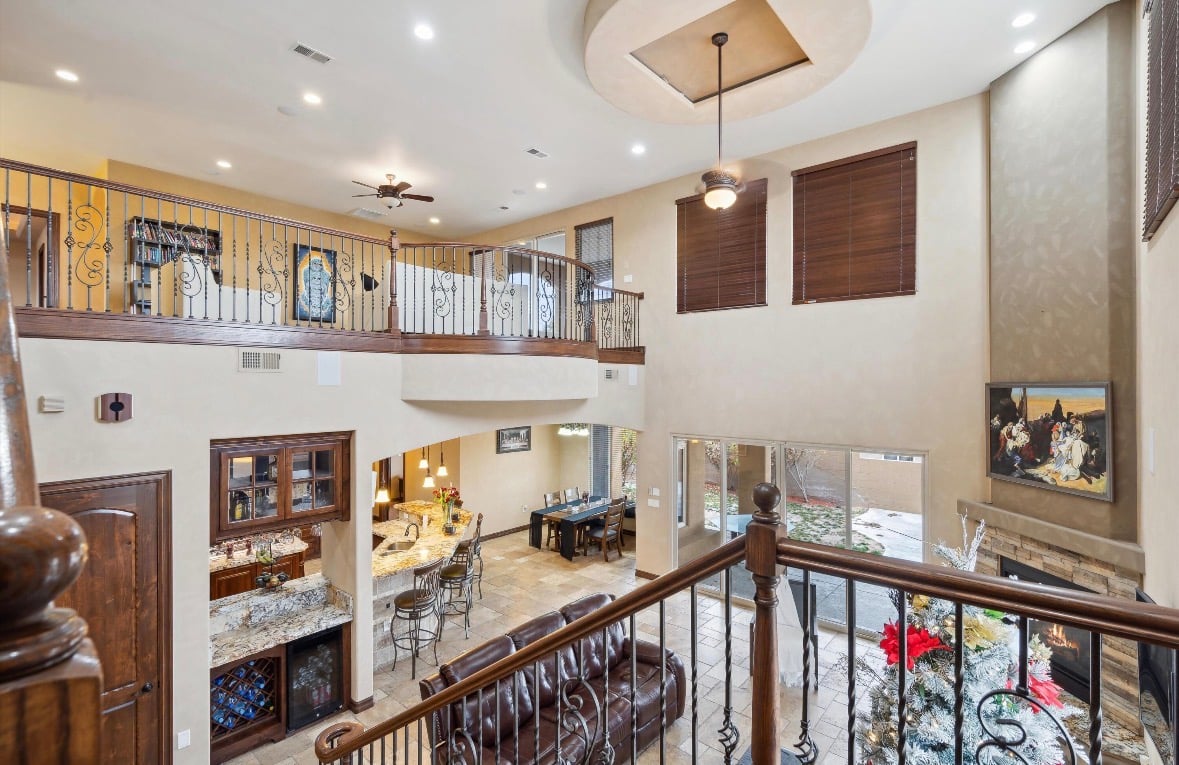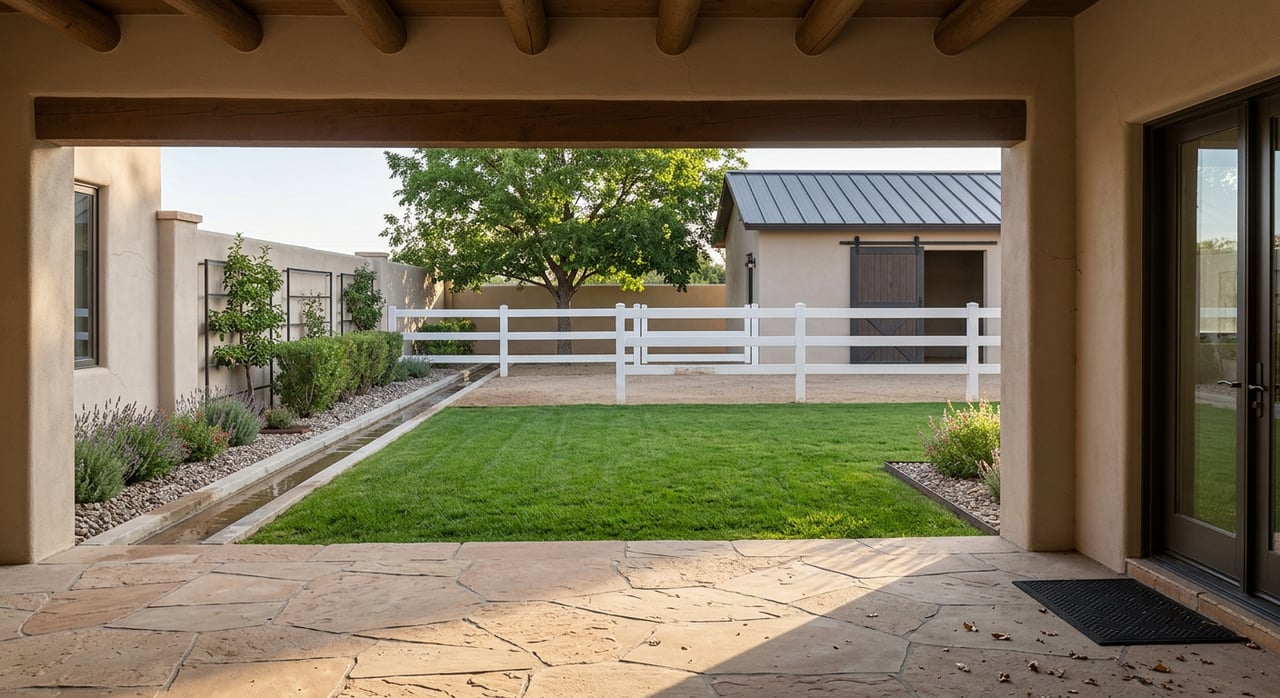
Picture your horses grazing under cottonwood shade while you sip coffee on a custom patio, just minutes from Albuquerque. If that vision brings you to Los Ranchos de Albuquerque, you’re not alone. The village blends rural charm with close‑in convenience, but buying here means understanding unique rules about zoning, water, and equestrian use. In this guide, you’ll learn how to evaluate horse‑ready and custom properties in Los Ranchos with confidence, from acequia irrigation to barn permits. Let’s dive in.
Why Los Ranchos stands out
Los Ranchos is a small, incorporated village in Albuquerque’s North Valley. Its zoning was designed to preserve an agricultural‑residential character, which is why you see irrigated pastures, barns, and legacy ranch parcels here. Many properties offer the rural setting you want with quick access to city amenities. If you value proximity and an authentic agricultural feel, this is a compelling place to focus your search.
Zoning you need to know
Agricultural‑residential districts
Most horse‑friendly parcels fall in agricultural‑residential zones. The village’s A‑1 zone allows one dwelling per acre and explicitly permits accessory agricultural uses like barns, corrals, and keeping livestock. You can review permitted uses and standard setbacks in the village code for A‑1 Agricultural/Residential.
Larger tracts often appear in A‑2 and A‑3, which have bigger minimum lot sizes with similar agricultural uses allowed. Always confirm the exact zoning for the parcel you’re considering with Village Planning & Zoning.
Agricultural‑Commercial and SUP triggers
Some larger agricultural properties can pursue the Agricultural‑Commercial (AC) pathway, which allows commercial equestrian activities if a significant portion of the land remains agricultural open space. For bigger operations, the code sets clear thresholds. For example, commercial horse facilities with more than ten horses require a Special Use Permit with conditions like arena setbacks, buffers, parking, limits on events, and a manure, drainage, and dust‑mitigation plan. You can review AC details and SUP conditions in the AC zone section.
Animal Control rules matter
Los Ranchos permits livestock in agricultural zones, but compliance also runs through the village Animal Control Ordinance. The ordinance sets site and welfare standards and handles permits for multiple animals and professional sites. There is no single, universal “horses per acre” number that applies to every parcel. What you can keep depends on your zone, lot size, whether the use is commercial, and Animal Control/site permit standards. Review definitions and site standards in the Animal Control Ordinance.
Water, acequias and wells
Acequias and surface irrigation
Many parcels in Los Ranchos use historic community ditches, called acequias, which carry water and community obligations. Membership can include assessments, maintenance expectations, and bylaws that affect transfers and use. These rights can add real value to irrigated pasture but also come with responsibilities. During due diligence, request recorded water‑right documents, acequia bylaws, assessment history, and any water‑bank records. For a practical overview of acequia governance, see the Acequia Governance Handbook from the New Mexico Acequia Association, available here: acequia rights and bylaws overview.
Private wells and OSE records
Many multi‑acre properties rely on private wells for domestic water or to supplement irrigation. Verify the well permit and any filings with the Office of the State Engineer, plus production data like gallons per minute. Ask for well logs and any recent yield tests. If a property mixes acequia irrigation with a private well, the legal rights and uses differ, so document each source carefully.
Sewer, septic and guest units
If the property is not connected to municipal sewer, on‑site liquid waste systems are regulated by the New Mexico Environment Department under 20.7.3 NMAC. Adding a guest house or expanding a residence may require an NMED permit or a connection to public sewer if available. Plan for soil percolation testing, engineering if needed, and permitting timelines. Read the NMED liquid‑waste rules here: onsite wastewater rules.
Typical lots and equestrian features
A‑1 through A‑3 zoning creates common parcel sizes from about one to three or more acres, with some legacy bosque‑front estates considerably larger. Many equestrian listings highlight 3‑board or pipe fencing, multiple paddocks, loafing sheds, 10 to 12‑foot stalls, tack rooms, hay storage, irrigated pastures, arenas with sand or crushed rock, round pens, and separate turnout areas. Architectural styles range from Southwestern adobe and stucco to more contemporary custom builds.
Setbacks, easements and buildable space
Setbacks shape where you can place barns, arenas, or new wings on a custom home. A‑1 standards include front, side, and rear setbacks, and there are special rules where properties border irrigation ditches. The village code prescribes a 25‑foot setback from ditches and drains, which can affect arena or barn placement. Recorded ditch easements also matter. Request the current survey, study all recorded easements, and review the zoning standards in the A‑1 code section. If the property is near the Bosque or Rio Grande corridor, check FEMA flood maps and consult local floodplain staff to understand build limits before you plan improvements.
Maintenance and operating costs
Pasture and manure management
Irrigated pasture is an asset, but it takes work. Expect to budget for rotational grazing, mowing, nutrient management, and manure handling to avoid runoff and pest issues. New Mexico State University Cooperative Extension offers practical pasture planning guidance, including stocking‑rate considerations that vary with local conditions. Start here for an overview: NMSU Irrigated Pasture Management. At a minimum, plan for fencing repairs, water troughs, hay supply, periodic reseeding, and acequia assessments if you irrigate.
Barns, arenas and permits
Adding or expanding barns, covered arenas, or significant outbuildings typically requires building permits and compliance with setbacks and drainage standards. For commercial or high‑capacity equestrian uses, expect Special Use Permit conditions such as manure, drainage, and dust‑control plans. The Agricultural‑Commercial zone language outlines these requirements in detail: AC zone and SUP conditions. Build realistic timelines and budgets that include civil engineering and site work, not just the structure.
Los Ranchos vs. Corrales and the North Valley
Corrales is widely known for equestrian culture and plentiful multi‑acre parcels. Los Ranchos offers a similar agricultural identity but in a smaller, close‑in footprint with many acequia‑fed parcels. Parts of Albuquerque’s North Valley also have agricultural designations, but permitting agencies and code language differ by jurisdiction. The most reliable first step in Los Ranchos is a zoning verification with the village Planning & Zoning team. You can find contacts and resources here: Village Planning & Zoning.
Buyer due‑diligence checklist
Use this list before you remove contingencies.
- Confirm the exact zoning and permitted uses for the parcel. Request a written zoning verification from Village Planning & Zoning.
- Get the current plat or ALTA survey. Review all recorded easements, especially ditch or acequia easements and utilities. Cross‑check setback rules in the A‑1 code.
- Gather acequia records: membership status, assessment history, bylaws, and any recorded water‑right documents with priority dates. See the Acequia Governance Handbook for what to request.
- For wells, obtain well logs, recent yield tests, and any Office of the State Engineer filings. Clarify domestic versus irrigation sources in writing.
- For septic, request NMED permits or schedule a septic inspection and soil perc test. Review guest‑house feasibility against NMED rules.
- Verify animal capacity and compliance. Confirm whether existing barns and corrals were permitted. If the use is commercial or could exceed thresholds, review AC zone SUP requirements and consult Animal Control.
- Check flood risk and environmental factors. Review FEMA maps, bosque setbacks, and any local floodplain restrictions. Request a site‑specific elevation statement if needed.
- Plan inspections: general home inspection, barn and stall safety, fencing and corral integrity, irrigation headgate and ditch condition, arena soils, vegetation, and defensible space. NMSU’s resource on property resilience is a helpful primer: NMSU publication.
- Preview operating costs. Obtain estimates for fencing repair, arena construction, manure removal, well maintenance, and irrigation system fixes.
- Confirm title items. Verify recorded water‑right ownership or transfers, mineral rights, and any covenants that could limit animal uses.
Work with a local, construction‑savvy guide
Buying a horse property or custom home in Los Ranchos is personal and technical. You want clear answers on zoning, water, wells, septic, and feasibility for the improvements you have in mind. As a New Mexico native and the son of a custom home builder, Kenny Perez brings practical construction insight to your search, plus the hands‑on, concierge service clients cite in their reviews. If you are ready to explore Los Ranchos with a trusted advisor, connect with Ultra Real Estate to get a tailored plan for your goals.
FAQs
What zoning allows horses in Los Ranchos?
- Agricultural‑residential zones like A‑1, A‑2, and A‑3 permit livestock and accessory agricultural uses, subject to Animal Control standards and parcel‑specific constraints.
Is there a set horses‑per‑acre rule in the village?
- No. The village permits livestock in agricultural zones, but allowable numbers depend on your zone, lot size, whether the use is commercial, and compliance with the Animal Control Ordinance; commercial facilities with more than ten horses require a Special Use Permit.
How do acequia rights affect a purchase?
- Acequia membership can add irrigation value but includes responsibilities such as assessments and bylaws that may govern transfers; request recorded water‑right documents, bylaws, and assessment history and review the Acequia Governance Handbook for context.
Do I need permits for a new barn or arena?
- Yes. Expect building permits and setback compliance; larger or commercial operations often trigger Special Use Permit conditions such as manure, drainage, and dust‑control plans per the AC zone.
What should I check about wells and septic before buying?
- Obtain well logs, recent yield tests, and any State Engineer filings, then verify domestic versus irrigation sources; for septic, review NMED liquid‑waste permits or schedule an inspection and perc test under 20.7.3 NMAC.