Have you ever wanted space for a garden, room for horses, and quiet nights under bright desert stars, all within a short drive of a mid-sized city? In Corrales, you get a rural village lifestyle with quick access to Albuquerque’s jobs, healthcare, and culture. In this guide, you’ll learn how living in Corrales really feels day to day, what types of homes and lots you’ll find, and the practical questions to ask before you buy. Let’s dive in.
Location and landscape
Corrales sits along the Rio Grande on the northwestern edge of the Albuquerque metro. You’re roughly 10 to 15 miles from central Albuquerque, and typical drives to major job centers take about 15 to 35 minutes depending on traffic and destination.
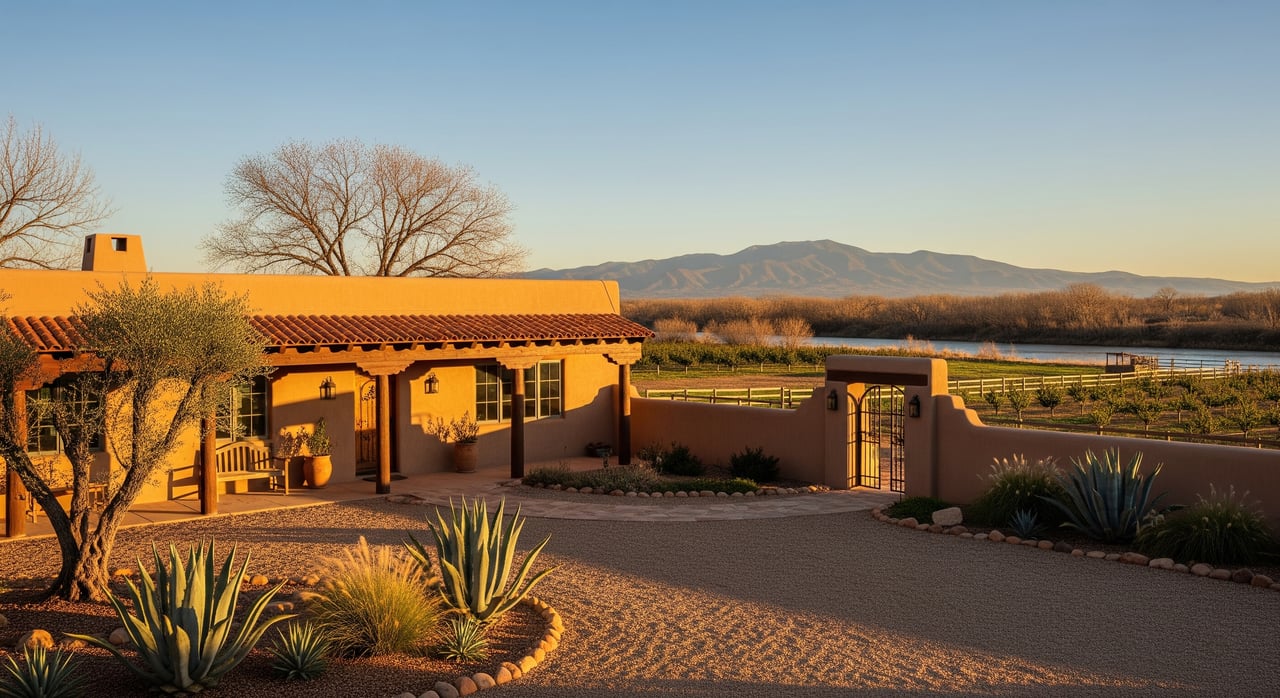
The village follows the Rio Grande bosque, the green riparian corridor that frames much of local life. You’ll notice a clear contrast between irrigated parcels near the river and the drier upland areas with classic high-desert vegetation.
At about 5,000 feet in elevation, Corrales has low humidity, hot summers, and cool winters with occasional snow. Big day-to-night temperature swings are common, which affects gardening, irrigation schedules, and how you think about home insulation and HVAC.
Village rhythm and culture
Corrales is known for a rural, agricultural, and equestrian way of life. Many properties sit on acreage and include pastures, barns, corrals, and riding arenas. You’ll often see riders on local trails and neighbors tending orchards, chile plots, and vegetable gardens.
Acequia culture is part of daily life. These community irrigation ditches supply water to certain properties and come with membership obligations and irrigation schedules. If a property depends on acequia water, you’ll want to understand how it is delivered and maintained.
Local commerce is centered on Corrales Road with independent restaurants, cafes, galleries, artisan businesses, and a seasonal growers’ market that’s a hub for produce and community events. For big grocery runs, specialty medical care, and major shopping, most residents head to Albuquerque or nearby Rio Rancho.
Housing and property styles
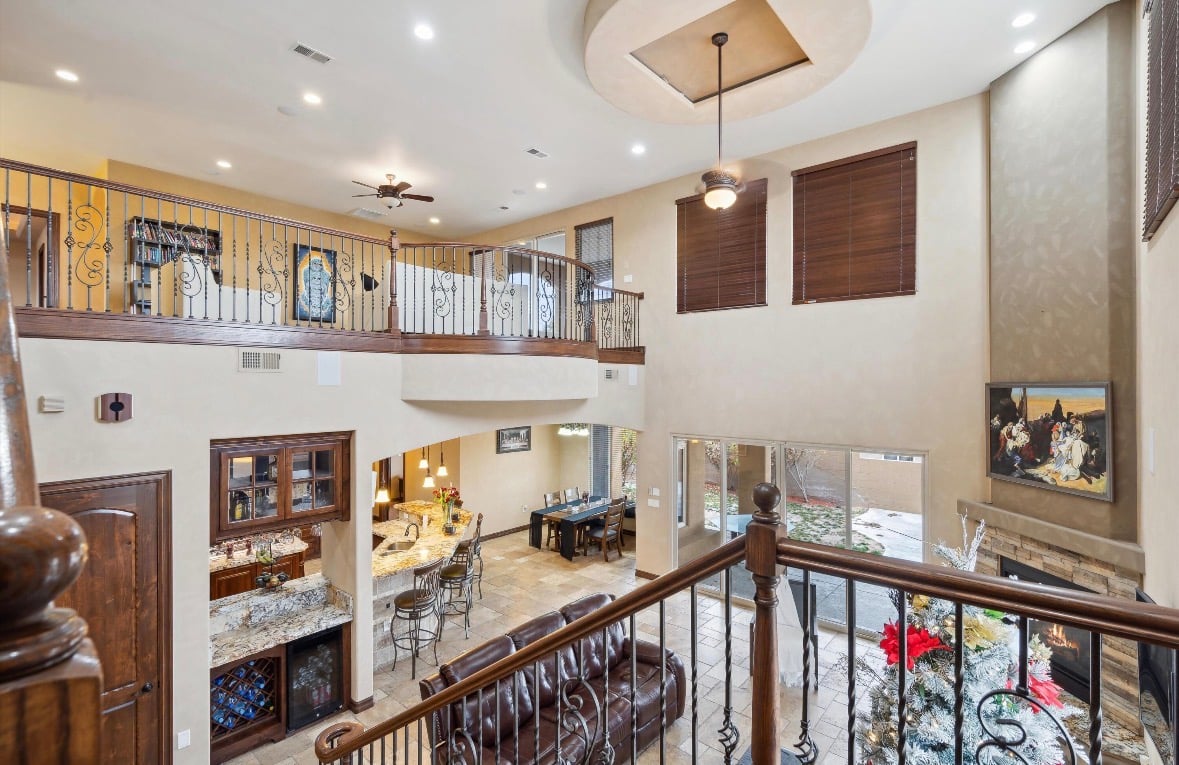
You’ll find a mix of adobe and Pueblo-influenced homes, ranch-style houses, midcentury properties, and newer contemporary builds. It’s common to see purpose-built equestrian facilities and outbuildings, and occasionally barn conversions.
Lot sizes tend to be larger than typical suburban parcels. Many properties range from 1 to 5 acres or more, though smaller and larger parcels exist. That extra land often supports horses, orchards, gardens, and privacy.
Remodels and infill homes appear throughout the village as demand for rural living near Albuquerque grows. If you value authenticity, you’ll also see homes that reflect local building traditions and materials.
Water, utilities, and land use
Water sources vary by address. Some homes connect to village or municipal systems, while others use private wells. Many agricultural uses rely on acequia irrigation water. It’s important to confirm your water source, quantity, and any water rights tied to the property.
Septic systems are common where sewer is not available. Plan for inspection, ongoing maintenance, and eventual replacement on the normal life cycle. Electricity is standard, but broadband availability can vary by street or even by property. Always verify providers and service levels for the specific address.
Corrales has local ordinances that cover livestock, setbacks, and the design of barns and stables. Some parcels may also have private covenants or HOA rules. If you plan to keep animals, build out facilities, or farm, checking these rules is essential.
Environmental considerations matter. Parcels near the Rio Grande or in old river channels may lie in FEMA flood zones. Wildfire and brush fire risks can increase with the dry climate and riparian vegetation, so creating defensible space is a smart habit. Understanding drought conditions, irrigation schedules, and soil suitability helps you plan landscaping and planting.
Access, schools, and care
Corrales is primarily car dependent. Corrales Road connects you to major arterials and to I-25 and I-40. Public transit is more limited than in Albuquerque, so most residents drive to work, errands, and appointments.
School options include public district schools and nearby private or charter choices. Boundary lines do not always match village limits, so verify the assigned district and schools for a given address and review current data to make an informed choice.
For healthcare, major hospitals and specialty centers are in Albuquerque. Drives are generally short, typically 15 to 40 minutes depending on destination. The village has fire services and local law enforcement coverage coordinated with Sandoval County and the Village of Corrales.
Lifestyle amenities
Corrales offers a small-town vibe with a seasonal growers’ market, local eateries, and artisan shops. Cultural calendars in Albuquerque expand your options for museums, theaters, and events when you want a night out or a weekend activity.
Outdoor life is a highlight. The Rio Grande bosque provides trails for walking, biking, birdwatching, and wildlife viewing. Equestrian trails and arenas are part of the everyday landscape, which is a major draw if you ride or keep horses.
Who Corrales fits
Corrales can be a great match if you:
- Want space for horses, small orchards, or a productive garden.
- Prefer a rural, low-density feel with quick access to city amenities.
- Work from home and value privacy, views, and acreage.
- Appreciate Southwestern architecture and the feel of a historic riverside village.
- Enjoy a community-oriented lifestyle with local markets and events.
Tradeoffs to weigh
Every location has pros and cons. Common tradeoffs in Corrales include:
- Limited walkable retail and services, so you’ll rely on a car for many errands.
- Variable broadband on rural lots; always confirm providers and speeds.
- Upkeep costs for wells, septic systems, fencing, and outbuildings.
- Rules tied to acequia membership, animal ordinances, and possible covenants.
- Environmental risks such as flood exposure near the river or brush fire risk in dry periods.
- Potentially higher per-acre prices and limited inventory for prime acreage or horse-ready properties.
Buyer checklist for Corrales
Use this list to guide address-specific due diligence:
Property and land use
- Is the parcel served by an acequia system? If yes, what water rights, membership obligations, and irrigation schedules apply?
- What are the zoning rules, setbacks, and livestock regulations for this parcel? Any deed covenants or HOA restrictions?
- Is the property in a FEMA flood zone or affected by seasonal flooding or bank erosion?
- Are there easements, shared driveways, or right-of-way agreements?
Utilities and infrastructure
- What is the water source: municipal or well? If well, verify depth, yield, pump age, and water quality tests.
- Is the home on septic? When was it installed, last inspected, and serviced?
- Which electric and broadband providers serve this address, and what speeds are available?
Structures and improvements
- Condition of barns, corrals, fencing, arenas, and outbuildings, including footing and drainage around structures.
- Roof, foundation, HVAC, and insulation condition, given high-desert temperature swings.
- Any historic or archaeological considerations that could affect renovations.
Environmental and insurance
- Flood insurance requirements and costs if in a mapped zone; wildfire mitigation steps and available coverage.
- Any known contamination, wetlands, or protected riparian areas on or near the parcel.
- Current property tax rates and any special assessments.
Practical living
- Realistic commute times to your likely work, school, and healthcare destinations.
- School assignments for the exact address and nearby alternatives.
- Trash pickup, road maintenance responsibility, and snow/ice removal expectations.
How Ultra Real Estate helps
Choosing a rural property is both personal and technical. You want a trusted local who can speak to wells, septic systems, barns, fencing, irrigation, and how Corrales ordinances shape your options. As a New Mexico native and the son of a custom home builder, Kenny Perez brings practical construction literacy to every step, from evaluating outbuildings and drainage to discussing insulation and HVAC for our high-desert climate.
You also get a concierge experience. That means responsive communication, smart negotiation, and after-closing support like vetted contractor referrals. If you are relocating or buying remotely, you can count on clear updates and thoughtful guidance. Spanish-speaking support is available.
If you are exploring acreage or horse properties in Corrales, reach out to schedule a friendly, no-pressure consult with Ultra Real Estate. We’ll help you make a confident move.
FAQs
Is Corrales a good place for horse owners?
- Yes. Many properties include pastures, barns, corrals, and access to local riding trails, and village ordinances address livestock and facilities. Always verify rules for your exact parcel.
How long is the commute to Albuquerque from Corrales?
- Typical drives to major job centers run about 15 to 35 minutes depending on route and traffic.
Do Corrales homes use wells or city water?
- Both exist. Some homes connect to village or municipal systems, while others rely on private wells. Agricultural uses may depend on acequia irrigation. Confirm the source and capacity for each property.
What should I know about acequia irrigation in Corrales?
- Acequias are community ditches that deliver irrigation water and come with membership obligations and schedules. If a property uses acequia water, review the rights, fees, and maintenance expectations.
Is internet service reliable in Corrales?
- Availability varies by street and provider. Many homes have standard service, but some rural parcels have limited high-speed options. Check provider coverage and speeds for the specific address.
Are flood and wildfire risks a concern?
- Parcels near the Rio Grande or old river channels can fall within FEMA flood zones, and the dry climate can elevate brush fire risk. Address-specific checks and mitigation steps are important.